When you’re looking to freshen up a room or add personality to a project without overwhelming the eye, minimalistic patterns are the go‑to solution. They keep the focus on form and function while delivering a touch of style that feels modern and uncluttered.
Why Simplicity Wins in Interior Design
Too many elements can make a space feel chaotic. A single, clean pattern can create depth and interest without competing with furniture or décor. Minimalistic patterns also scale well: a subtle stripe on a throw pillow, a geometric repeat on a rug, or a simple line grid on a wall—all keep a room feeling open and airy.
Choosing the Right Color Palette
Neutral backgrounds paired with a single accent color amplify the minimalistic vibe. Think charcoal grids on white walls or muted teal dots on a beige throw. A well‑chosen color scheme lets the pattern breathe and makes it easy to mix and match with existing items.
Patterns That Are Minimalistic in Fashion
From office shirts to weekend tees, simple patterns such as thin stripes or small polka dots provide versatility. They can be layered under jackets or used as a statement piece on their own. Because the design is understated, it pairs well with bold accessories or solid-colored shoes.
Digital Resources for DIY Projects
If you’re a DIY enthusiast, high‑resolution SVG files are a goldmine. They can be resized without loss of quality, making them perfect for print-on-demand items, stickers, or custom wallpaper.
Creating a Cohesive Look With Repeating Motifs
When you use the same minimalistic pattern across different elements—think a rug, curtains, and a coffee table—your space feels unified. Stick to a consistent scale and spacing to avoid visual noise. For a subtle pop, limit the pattern to one accent wall or a single piece of furniture.
Prints That Work for Home Office Spaces
Small geometric repeats, such as a subtle dot or a thin zigzag, can add a professional yet creative edge to home office walls or desk accessories. They’re less distracting than bold murals but still provide a visual break from plain surfaces.
Practical Tips for Incorporating Minimalistic Patterns
- Start small. Test a pattern on a single cushion or a small wall panel before committing to large areas.
- Use contrast wisely. A thin, dark line on a light background can define space without feeling heavy.
- Layer textures. Combine a minimalistic pattern with a natural material—like a linen rug or a wooden shelf—to add depth.
- Keep the layout symmetrical. Symmetry reinforces the calmness that minimalistic patterns aim for.
Conclusion: Minimalism as a Lifestyle Choice
Adopting patterns that are minimalistic doesn’t just elevate a room; it simplifies decision-making. With fewer competing elements, you can focus on the pieces that truly matter—be it a statement chair or a hand‑picked artwork. Embrace clean lines, restrained color, and thoughtful repetition, and watch how a subtle pattern can transform everyday spaces into places of calm and clarity.
When you’re looking to freshen up a room or add personality to a project without overwhelming the eye, minimalistic patterns are the go‑to solution. They keep the focus on form and function while delivering a touch of style that feels modern and uncluttered.
Why Simplicity Wins in Interior Design
Too many elements can make a space feel chaotic. A single, clean pattern can create depth and interest without competing with furniture or décor. Minimalistic patterns also scale well: a subtle stripe on a throw pillow, a geometric repeat on a rug, or a simple line grid on a wall—all keep a room feeling open and airy.
Choosing the Right Color Palette
Neutral backgrounds paired with a single accent color amplify the minimalistic vibe. Think charcoal grids on white walls or muted teal dots on a beige throw. A well‑chosen color scheme lets the pattern breathe and makes it easy to mix and match with existing items.
Patterns That Are Minimalistic in Fashion
From office shirts to weekend tees, simple patterns such as thin stripes or small polka dots provide versatility. They can be layered under jackets or used as a statement piece on their own. Because the design is understated, it pairs well with bold accessories or solid-colored shoes.
Digital Resources for DIY Projects
If you’re a DIY enthusiast, high‑resolution SVG files are a goldmine. They can be resized without loss of quality, making them perfect for print-on-demand items, stickers, or custom wallpaper.
Creating a Cohesive Look With Repeating Motifs
When you use the same minimalistic pattern across different elements—think a rug, curtains, and a coffee table—your space feels unified. Stick to a consistent scale and spacing to avoid visual noise. For a subtle pop, limit the pattern to one accent wall or a single piece of furniture.
Prints That Work for Home Office Spaces
Small geometric repeats, such as a subtle dot or a thin zigzag, can add a professional yet creative edge to home office walls or desk accessories. They’re less distracting than bold murals but still provide a visual break from plain surfaces.
Practical Tips for Incorporating Minimalistic Patterns
- Start small. Test a pattern on a single cushion or a small wall panel before committing to large areas.
- Use contrast wisely. A thin, dark line on a light background can define space without feeling heavy.
- Layer textures. Combine a minimalistic pattern with a natural material—like a linen rug or a wooden shelf—to add depth.
- Keep the layout symmetrical. Symmetry reinforces the calmness that minimalistic patterns aim for.
Conclusion: Minimalism as a Lifestyle Choice
Adopting patterns that are minimalistic doesn’t just elevate a room; it simplifies decision-making. With fewer competing elements, you can focus on the pieces that truly matter—be it a statement chair or a hand‑picked artwork. Embrace clean lines, restrained color, and thoughtful repetition, and watch how a subtle pattern can transform everyday spaces into places of calm and clarity.
Japanese Patterns Designs | Free Seamless Vector, Illustration & PNG

Japanese Patterns Designs | Free Seamless Vector, Illustration & PNG ...
Digital Paper With Patterns 250 Free Stock Photo - Public Domain Pictures

Digital Paper With Patterns 250 Free Stock Photo - Public Domain Pictures
Patterns Kaleidoscopes Colorful · Free Image On Pixabay
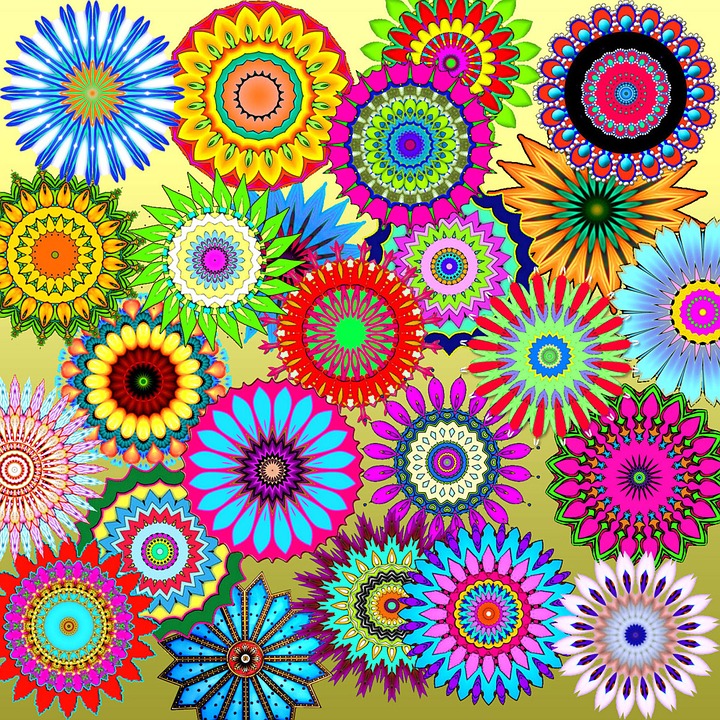
Patterns Kaleidoscopes Colorful · Free image on Pixabay
Patterns Ai By Roula33 On DeviantArt
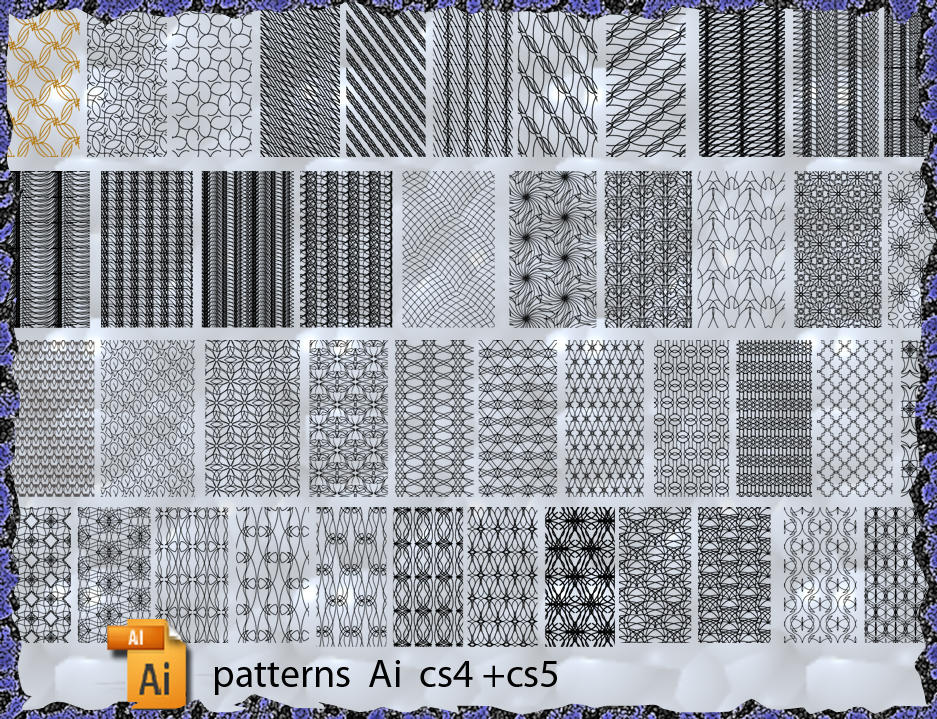
patterns Ai by roula33 on DeviantArt